Break On The Car
You have a car wheel. Attached to the inside of the wheel is another, much smaller, metal wheel, that is the rotor. On either side of the rotor, is a pair of brake pads, they are a hard material that "squeezes" the rotor while it is spinning when you apply the brakes with the brake pedal. This slows down the wheel. If you have ever seen the brakes on a bicycle, they work in a very similar manner. No, not "brakes""breaks".
Break Car - YouTube
Answer (1 of 5): Once in a Physics class, the teacher asked the students, “Why do we have brakes in a car?” Varied answers were received: “To stop” “To reduce speed” “To avoid collision” etc., But the best answer was, “To enable you to drive faster” Give it a thought.
Before anything else, what does “break-in” mean? It’s actually a period of time in which you have to treat your newly acquired car with utmost care and follow certain instructions while driving it .
But it is usually only normal use without excessive demands that is specified, as opposed to light/limited use. For example, the manual will specify that the car be driven normally, but not in excess of the highway speed limit. The goal of modern engine break-ins is the settling of piston rings into an engine's cylinder wall.
And it’s still the case that you should avoid running the engine at high RPM for the first 1,300 miles . Experts recommend a maximum 3,500 rpm and 90 mph in diesel models and 4,500 rpm and 100 mph in gas models.
Don’t push your new engine too hard for the first 1,000 miles. This can put a lot of strain on components. You should vary your speed while keeping the engine under 4,000 RPMs to properly break-in the engine.
However, you might still benefit from following a few breaking in processes to give your new car’s parts some time to kick into gear. Generally, manufacturers provide guidance as to how you should handle the first 500 –1,500 miles of your new vehicle's life. Choosing not to follow your manufacturer’s guidelines may come at an eventual cost in the form of extra wear and tear on your new car — particularly when it comes to components like your drivetrain or engine.
For more information, click the button below.
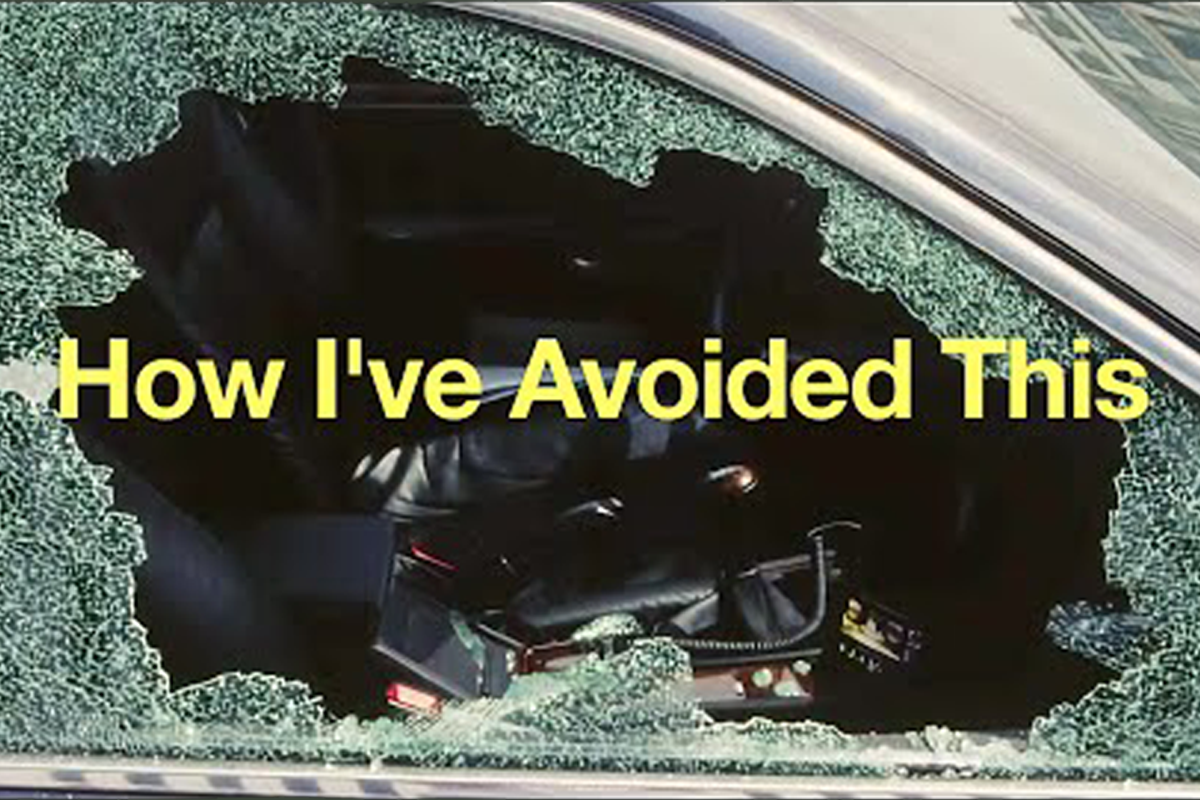
"Easy" Method For Avoiding Car Break-Ins At Trailheads

How can you prevent a car break-in? Tips to keep your car safe.

How to Prevent a Rental Car Break-In - AutoSlash

Car break-ins: Everything you need to know
-
Drive sensibly, don't worry about it, and change your oil on time. I've been driving for 35 years and have never seen or heard of a new vehicle breaking down due to non-varying speeds. Click to expand THIS^^^^ Like rob1715 said technological adancements have made break in obsolete. Just drive the car normally, and after a few hunded miles let er rip tater chip.
The break-in — or mechanical run-in — period is designed to begin to wear the engine evenly and smoothly with low, consistent pressure, normal operating temperature and smoothly flowing oil .
Answer (1 of 5): No, to slow or stop a car you have to stick your foot out of the door and press down on the pavement as hard as you can , works better if you have a passenger that can also stick their foot out of the door.
Don't be afraid of this or let go -- that just means the brakes are doing their job. Depress your brake pedal rapidly, but not instantly . This is essential to maximize the braking potential of your car.
Experimente também: car braking em imagens, car braking em vídeos, car braking em modelos, car braking em Premium Published July 26, 2022
The pivot technique is the easiest method to smoothly and consistently reduce your car's speed. Place your right foot on the brake pedal with your heel on the car floor, so only the front part of your foot touches the pedal .
What do we mean by ‘break in’? It comes down to giving the engine time to adjust and operate evenly after rolling off the production line , so no parts are put under excess strain early on
Tags

Alfon
Motivado pelo compromisso com a educação e pela dinâmica viva do cotidiano escolar, construí minha trajetória profissional com o propósito de contribuir para o desenvolvimento integral dos estudantes. Busco integrar fundamentos pedagógicos, experiência prática e uma escuta atenta, elaborando ações educativas que valorizam a diversidade e fortalecem as identidades individuais. Minha formação acadêmica em instituições de referência, aliada à atuação contínua em sala de aula, sustenta a criação de percursos de aprendizagem significativos, fundamentados no diálogo, no cuidado e no incentivo à criatividade. - shop.forgiato.com.
