Compound Turbo
A turbo-compound engine is a reciprocating engine that employs a turbine to recover energy from the exhaust gases . Instead of using that energy to drive a turbocharger as found in many high-power aircraft engines, the energy is instead sent to the output shaft to increase the total power delivered
Diesel Power Source Compound Turbo Kits combine two turbos for a balanced mix of spool and airflow . Ideal for towing, racing, and heavy hauling, our systems are engineered for clean fitment and reliability on Cummins applications.
Em sistemas “compound” ou de turbo composto, os turbos compressores têm tamanhos diferentes e operam em série , o que significa que o primeiro turbo alimenta o segundo turbo e o efeito é composto, enquanto uma configuração turbo duplo,

Cummins Turbo Cummins Compound Turbo Kit, 56% OFF
In compound turbo systems, the turbochargers are different sizes and operate in series , meaning the first turbo feeds the second turbo boosted air and the effect is compounded whereas a twin turbo configuration, identical sized turbos operate
With one of our compound turbo kits, you can achieve upwards of 600HP while maintaining stock spool-up on your diesel truck!
Shane and Andre explain some of the cooling and packaging issues around large single turbo setups before explaining how the current 380 PSI capable compound system consisting of 2 large turbo which technically due to pressure ratios operate at around 30 PSI a piece are feeding one smaller turbo which enables them to push past those 2000HP limits to reach higher power outputs.
The secondary turbo sucks air from the atmosphere (hence its name) and pressurizes it, then feeds it to the primary turbo which pressurizes it further. A compound turbo system is sometimes incorrectly referred to as “twins”. Twins are turbos in parallel with each other; they operate independently of each other.
DPS precisely engineered compounds turbo with a larger low-pressure turbo, compound turbos maximize airflow, boosting horsepower and torque while significantly lowering exhaust temps (EGT's) and improving fuel economy .
Não necessariamente: há uma mas sobre isso falamos numa próxima ocasião), em que dois turbos são ligados em série para alimentar o motor e multiplicar sua potência.
The technical term for twin turbos is parallel turbos, and this system is often referred to as a “true” twin-turbo arrangement. Compound turbo systems consist of two (and sometimes more) turbochargers of different sizes, which operate in series .
The primary benefits of compound systems are great low-end torque, strong mid-range and exceptional top-end performance. This is because a small (high-pressure) turbo is utilized to get things started at lower rpm, while a larger (atmosphere, or low-pressure) unit takes over at higher rpm.

The Ultimate Guide to Understanding a Compound Turbo Setup: Diagram and ...
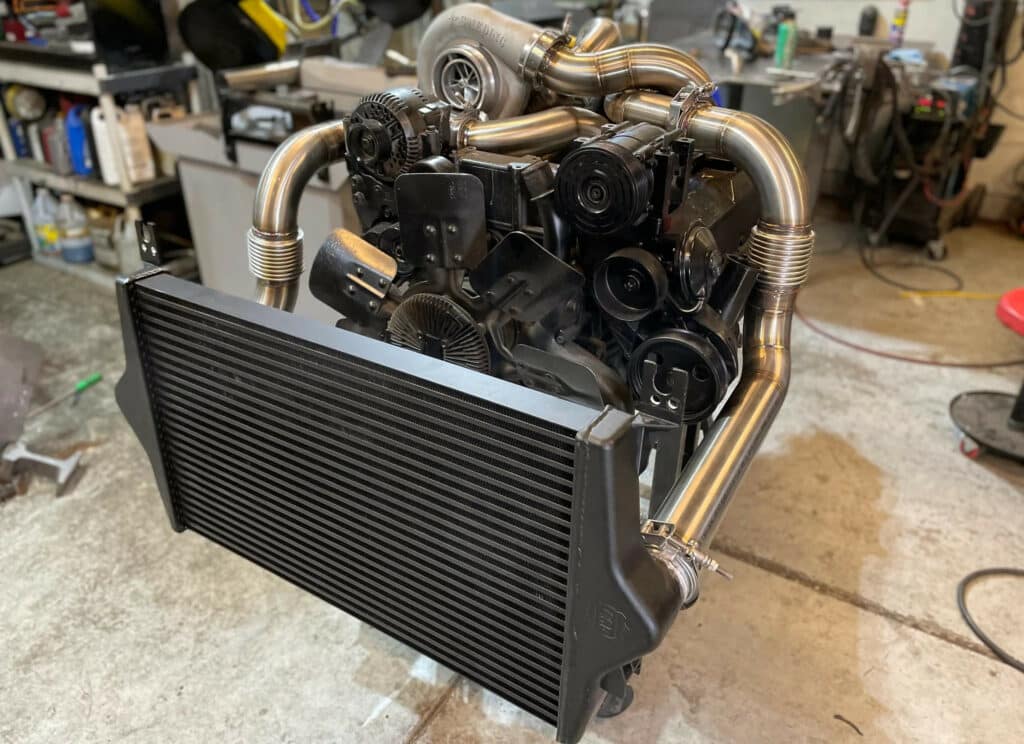
Compound Turbo Setups Explained | Low Offset
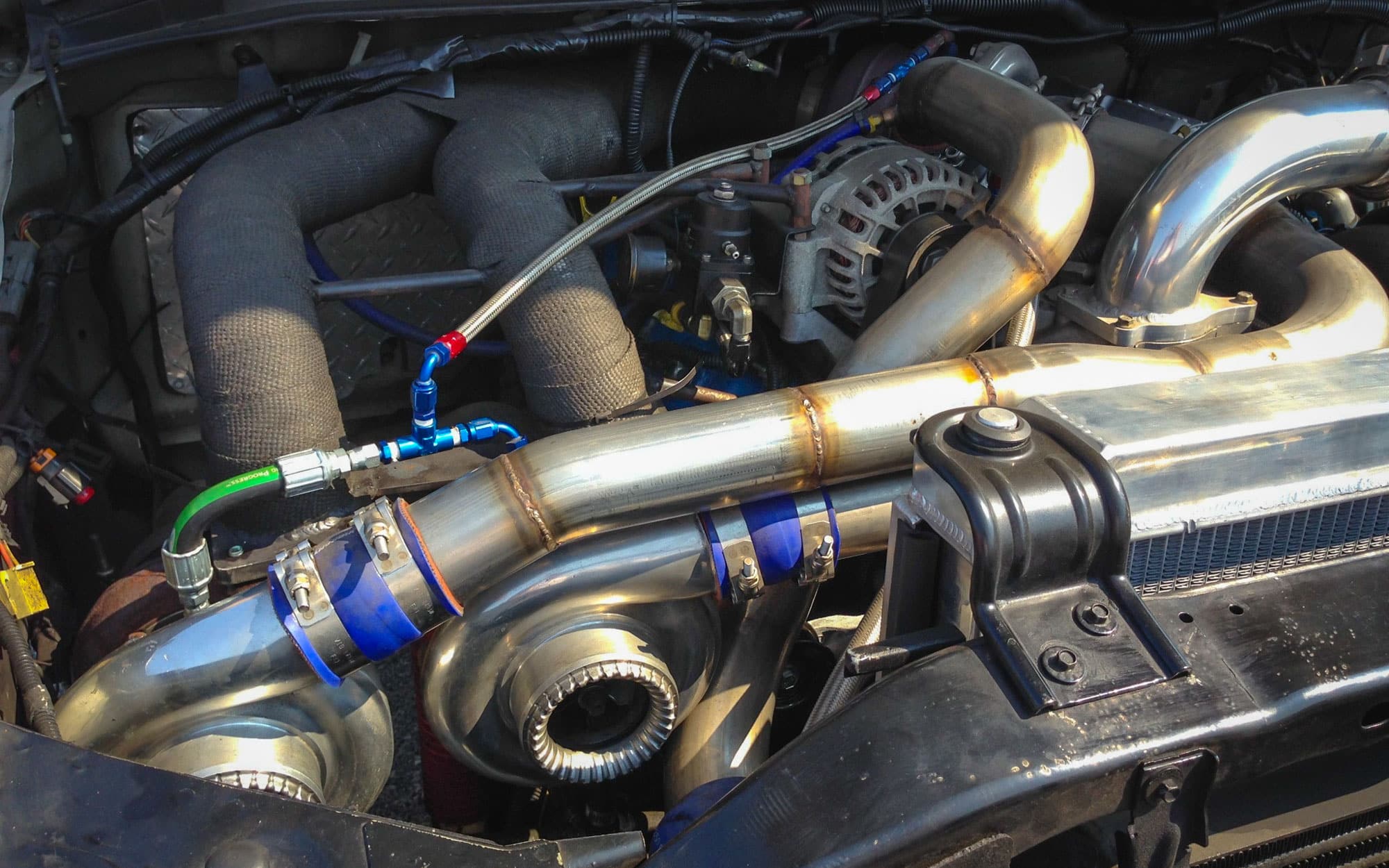
Compound Turbo Setups Explained | Low Offset
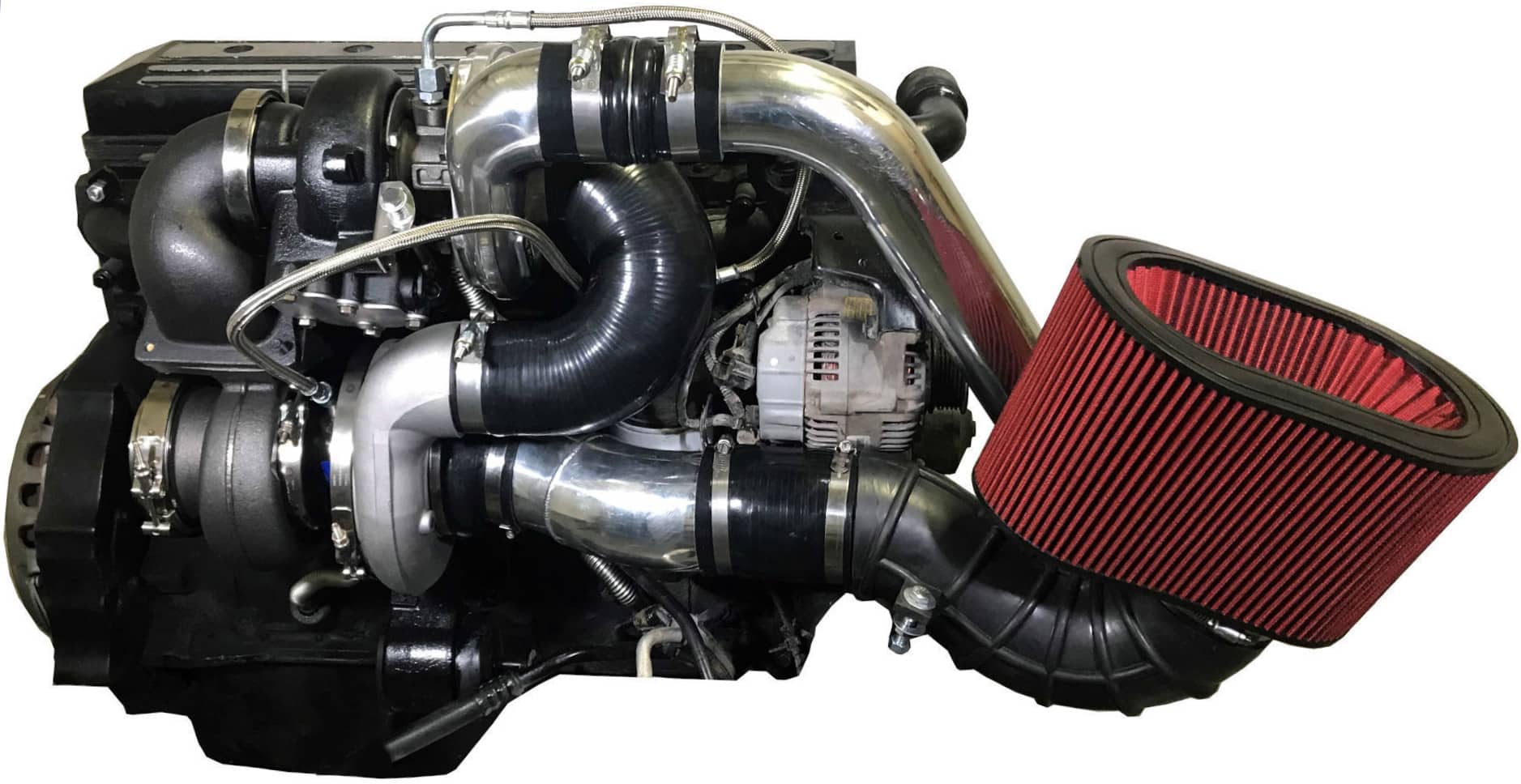
Compound Turbo Setups Explained | Low Offset
Very basically speaking, in a compound setup a smaller turbo (high-pressure turbo) and a larger turbo (low-pressure turbo) work in series . Air feeds into the larger turbo first, where it is compressed and then fed directly into the mouth of
We get a lot of questions about how compound turbos work. Why do Compound or Twin Turbos work so well at doing things like cooling EGTs? In this video, we g Published January 18, 2022
In simpler terms, one turbo feeds into another turbo . In a compound turbo system, you’ll find two distinct turbochargers at work: the low-pressure turbocharger, the larger of the two, and the high-pressure turbocharger, the smaller one.
Diesel setups will be similar, but we do things a little differently. Turbo sizing, wastegating, and boost control are the major differences. While diesels use compound (or staged) turbochargers to run very high boost levels, SI engines typically use them to improve spool up.
A compound sequential turbo setup combines a quick spooling small turbo with a high power larger turbo .
Abstract: Turbocompounding is the use of a power turbine to extract additional energy from the exhaust . Mechanical turbocompounding has been used commercially in diesel engines for various applications for many decades. In heavy-duty engines, series turbocompounding—where a power turbine
For more information, click the button below.
Tags

Sonya
Impulsionado pelo compromisso com a educação no ambiente escolar, construí minha trajetória com o objetivo de ampliar as oportunidades de aprendizagem e gerar impactos positivos para estudantes, educadores e comunidades escolares. Ao articular princípios pedagógicos, experiência cotidiana em sala de aula e diálogo contínuo, desenvolvo práticas educacionais inovadoras, inclusivas e aplicáveis, que respeitam a diversidade dos modos de aprender e respondem às necessidades reais da escola - shop.forgiato.com.
