Honda Cvt Gearbox
It was initially announced in Europe as an automatic as the staff at Honda in Europe assumed that it would like the N600 to be fully automatic. This was quickly changed to "Hondamatic". This gearbox was a separate unit and used ATF - Automatic Transmission Fluid.
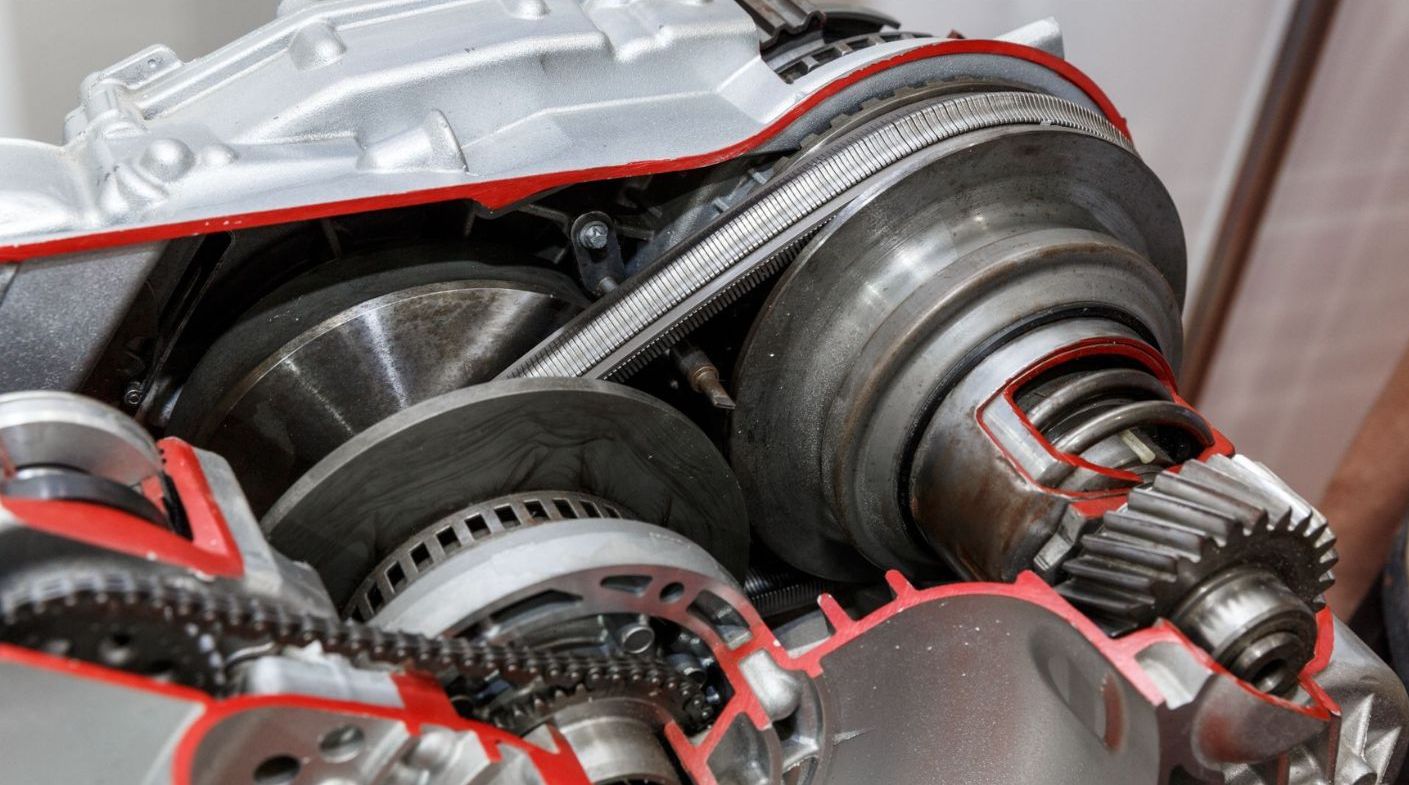
CVT Gearbox Repair - Mayfair Gearbox
So, what is a CVT transmission and why can it help improve your travels in Walla Walla? CVT stands for “ continuously variable transmission ”, which is different from your traditional manual or automatic transmission.
Manual transmissions and stepped variable transmission (CVT) shifts through gear ratios in a continuous manner, enabling a smooth acceleration or deceleration feel, without any shift shock .
The name ‘Honda’ makes you of public opinion when it comes to transmission technology. The CVT, or Continuously Variable Transmission , isn’t your average gearbox.
Discover genuine Honda transmission fluids in various pack sizes. Formulated for optimal performance and compatibility with Honda vehicles.
Spot these warning signs that will let you know how to tell if a Honda Transmission is bad and needs fixing and keep your Honda safe and sound with this guide.
The next advantage for a Honda owner to have a CVT is a bit of a stretch for me. As a long-time mechanic and shop owner, I do not like the way a CVT feels when driving, but many drivers like how smooth a CVT feels. A CVT has a large internal band inside rather than separate gears.
For more information, click the button below.

Honda City Cvt Gearbox Problem at Stanley Musso blog
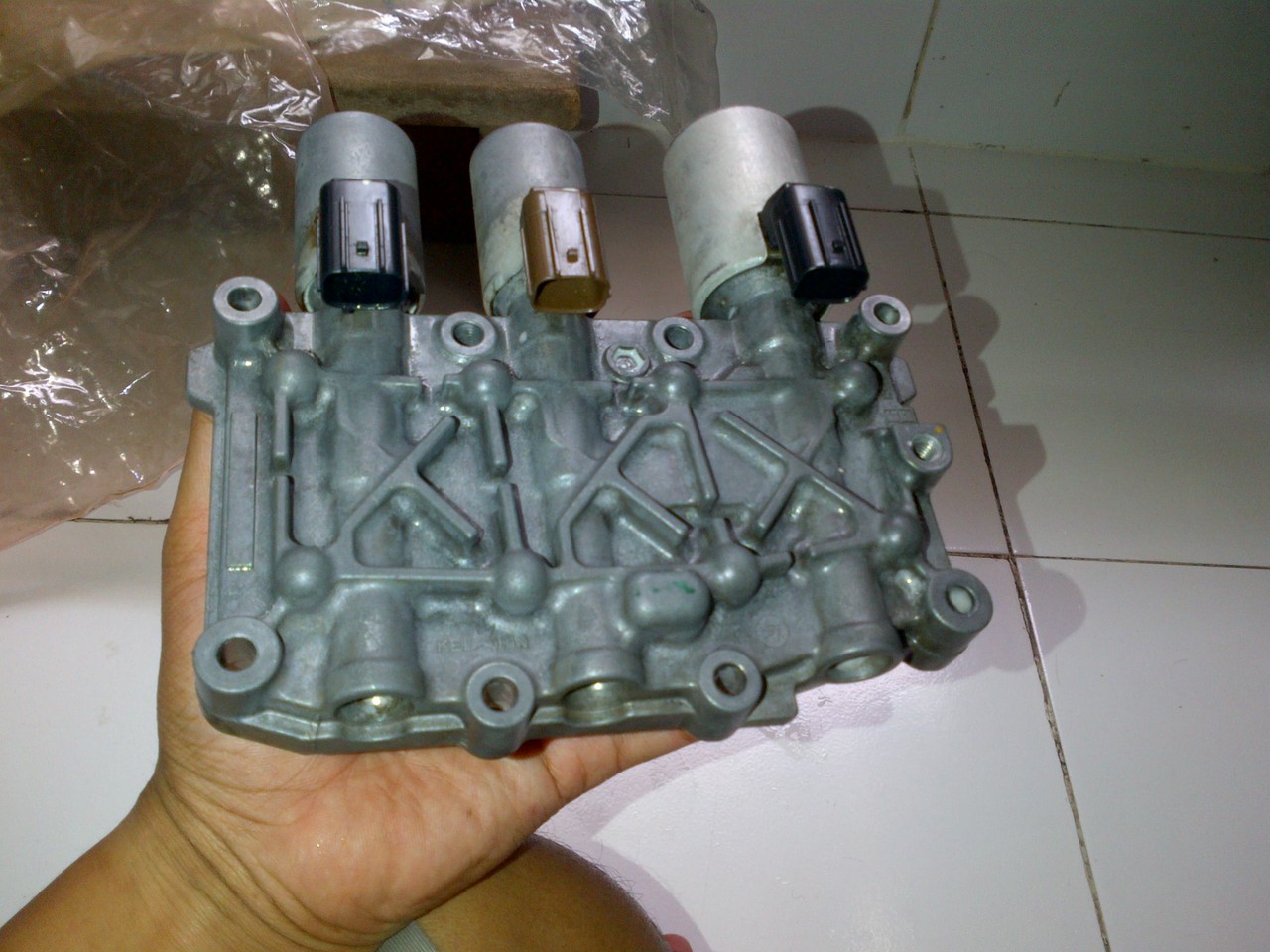
Honda City Cvt Gearbox Problem at Stanley Musso blog
CVT Auto Gearbox Filter + CVT Oil Combo Set for Honda City, HR-V, BR-V ...

Honda CVT Reliability (Issues, Longevity) - Auto Chimps
-
A special computer-controlled, hydraulically actuated system changes the CVT’s ratios during driving.
Answer (1 of 5): CVT’s have been around for a long time, and are evolving. The idea is great, but the implementation varies from brand to brand. They are, in general, excellent for smaller engines. Once you get up into the higher torque engines, as Nissan found out with the Murano, the torque
CVT stands for continuously variable transmission, and this type of automatic transmission uses pulleys and a steel band instead of traditional fixed gears . It’s always automatically adjusting to your driving, and it provides smooth, stepless
Continuously Variable Transmissions, or CVTs, are known by many other names as well: We here at Honda Marin understand your trepidation about buying a Honda equipped with a CVT transmission. Many Mill Valley drivers no next to nothing about this transmission type.
I've owned Hondas almost exclusively for 30 years 8 of them in total. Last week my wife bought a 2020 CRV AWD LX. And I drive a 2017 CR-V AWD LX (2.3 engine). We bought both of these vehicles new, 3 year apart. Now that we each own 5th Generation CR-Vs, I thought I would "get serious" about learning more about the changes over the years. The most alarming revelation was the CVT Transmission.
Honda made a CVT all the way back in the 90s for the HX, and it was pretty good iirc. I've heard that the newer CVTs are also pretty good. But I KNOW that the current 6mt is great. I drive in heavy traffic a lot and I'm always thinking to myself how great the clutch feels and how precise the shifter/gearbox is.
Germain Honda of Naples has created this informative guide that covers the key similarities and differences between a traditional automatic and a CVT.
The CVT does not use gears . Instead, it has a belt. This can lead to a smoother ride. If you can feel every bump in the road with your current vehicle, then it may be time to make a change.
Tags

Alfon
Motivado pelo compromisso com a educação e pela dinâmica viva do cotidiano escolar, construí minha trajetória profissional com o propósito de contribuir para o desenvolvimento integral dos estudantes. Busco integrar fundamentos pedagógicos, experiência prática e uma escuta atenta, elaborando ações educativas que valorizam a diversidade e fortalecem as identidades individuais. Minha formação acadêmica em instituições de referência, aliada à atuação contínua em sala de aula, sustenta a criação de percursos de aprendizagem significativos, fundamentados no diálogo, no cuidado e no incentivo à criatividade. - shop.forgiato.com.
