Yield Point And Yield Strength
Answer: The yield point refers to point on the stress strain diagram at which the material starts yielding . Therefore the yield stress or strength is measured at that point. So the yield stress occurs at the yield point but the yield point could
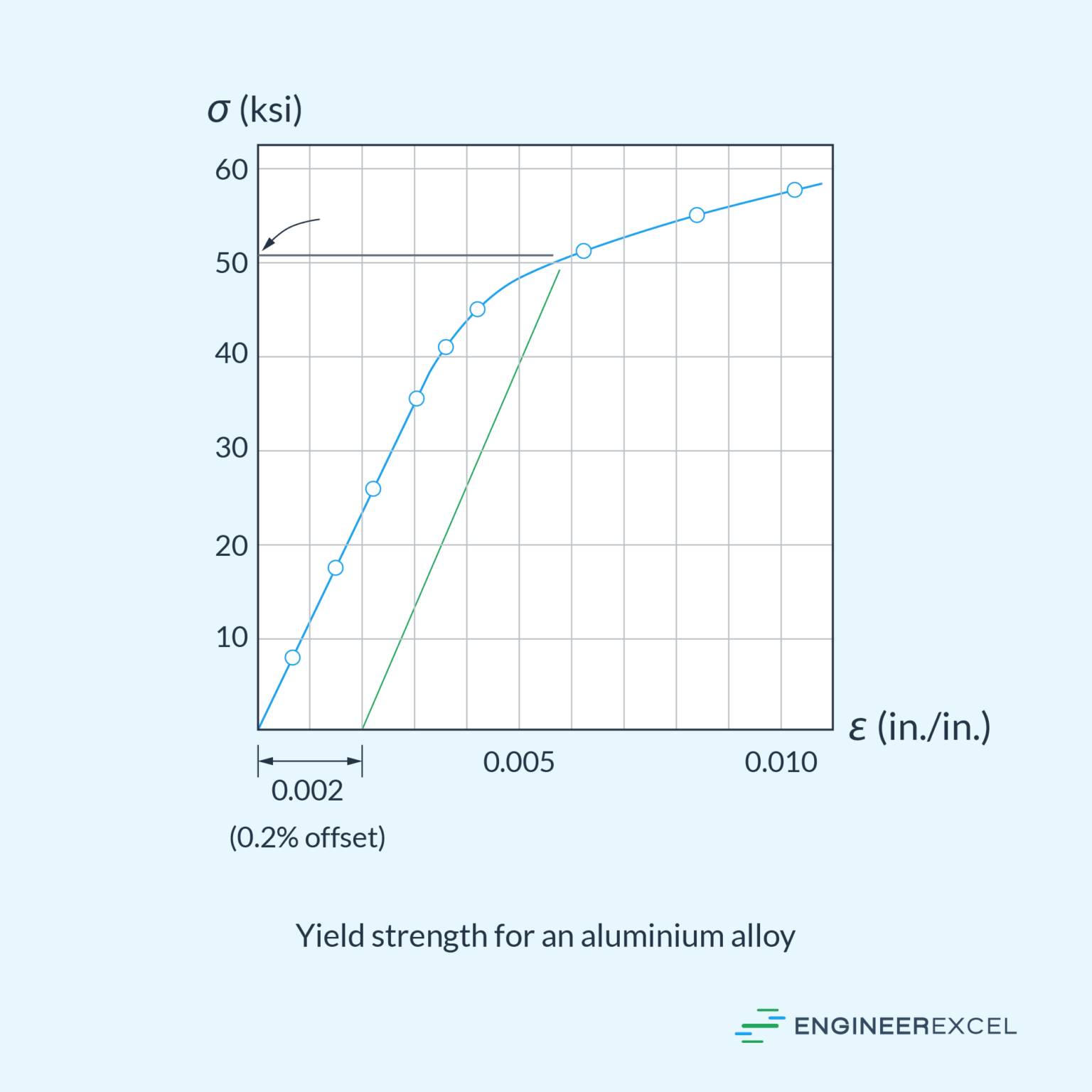
stainless steel) exhibits no such a specific yielding point but produces a smooth curve as shown in Figure 1(b). In this case, the stress required to produce an offset (plastic deformation) amount of 0.2 percent is generally used for the standard strength equivalent to the yield point, which is called “0.2% offset yield strength” or “0.2% proof stress.” Both yield point and 0.2% offset yield strength are often referred simply to as “yield strength” or “yield stress.”
The yield point of a material is the transition between elastic and plastic deformation behavior . The ultimate tensile strength is the maximum amount of stress a material can experience.

What is Yield Strength ? - Maikemani Steel
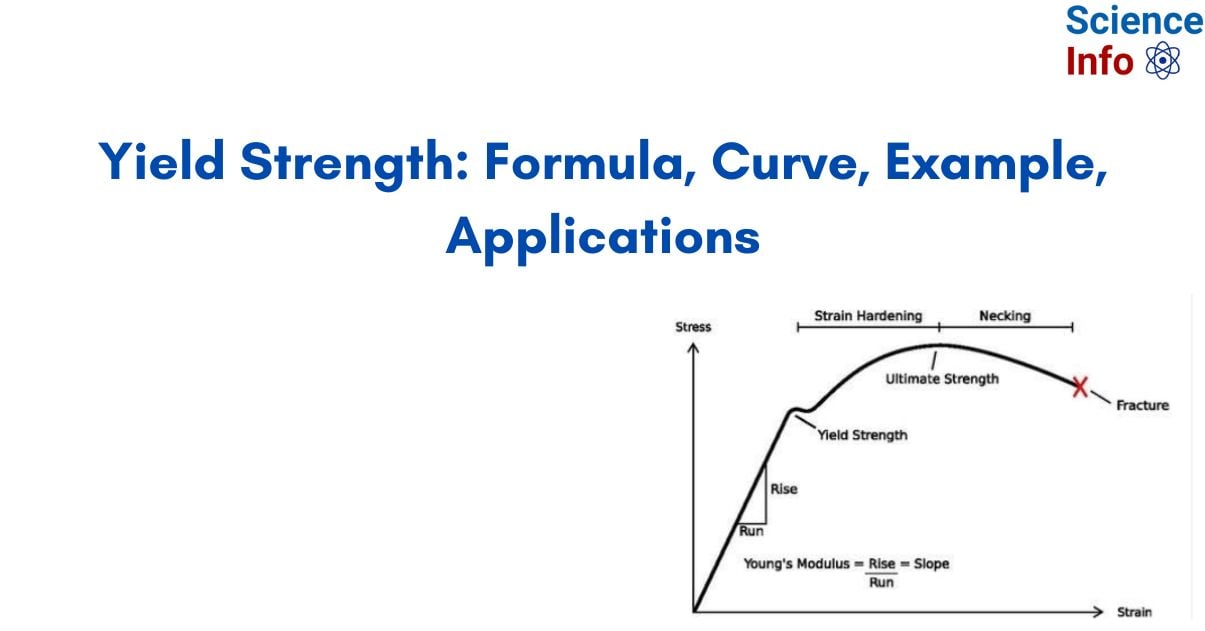
Stress applied beyond this causes an increasing rate of deformation until the maximum or ultimate strength of the material is reached. The yield strength or yield point of a material is defined in engineering and materials science as the stress at which a material begins to deform plastically .
At an atomic level, the yield point corresponds to the maximum “stretchiness” of the atomic bonds, and is the point where atomic slip begins . The yield strength can be influenced by work hardening, grain boundary refinement, solid solution
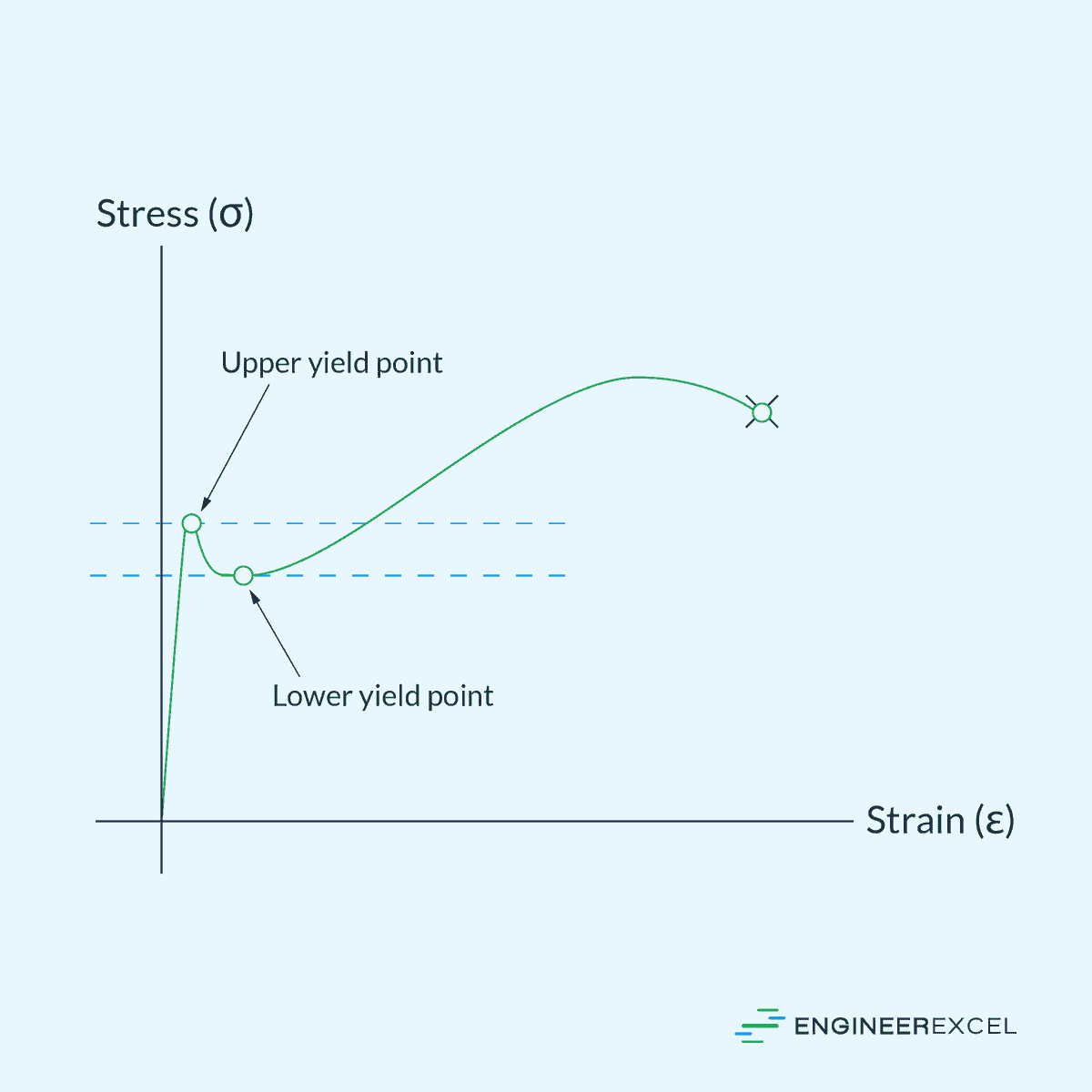
Yield strength is the stress at which a material has undergone some arbitrarily chosen amount of permanent deformation, often 0.2 percent . A few materials start to yield, or flow plastically, at a fairly well-defined stress (upper yield point)
The yield point is the maximum stress a material can endure beyond which it begins to permanently deform and is unable to return to its original dimensions . Whereas, tensile strength is the maximum stress on a material before it fails and,
The material response is linear up until the upper yield point, but the lower yield point is used in structural engineering as a conservative value. If a metal is only stressed to the upper yield point, and beyond, Lüders bands can develop. Yielded structures have a lower stiffness, leading to increased deflections and decreased buckling strength.
As yield strength is related to deformation resulting from applied stress, the SI unit of yield strength is N.m-2. In CGS system, the yield strength is g.cm-2. The statement is true, and the yield point phenomenon creates problems during deep drawings. Published August 10, 2022 Views 79K
When a material is stressed by deformation of the material will occur. The level of stress that corresponds to the yield point is referred to as the yield strength of the material .
It is often possible to determine both an upper yield strength ReH value and a lower yield strength ReL value. The upper yield point designates the stress up to which no permanent plastic deformation occurs in a material under tensile loading . The material does undergo deformation, however
Yield Strength: Understanding and Measuring Material Resilience ...
Yield Strength: Understanding and Measuring Material Resilience ...
Yield Strength
Yield Strength
The juncture where a material shifts from elastic to plastic behaviour is termed the "yield point." The stress level at which this transition from elasticity to plasticity occurs is referred to as the "yield strength."
Proportional Limit | Ultimate Strength · Yield Strength: The yield point corresponds to the point where the material begins to have permanent (unrecoverable) deformation . While some materials have a well-defined yield region (Figure A), others (Figure B) do not.
Yield strength or yield stress is the material property defined as the stress at which a material begins to deform plastically, whereas yield point is the point where nonlinear (elastic + plastic) deformation begins . Yield strength
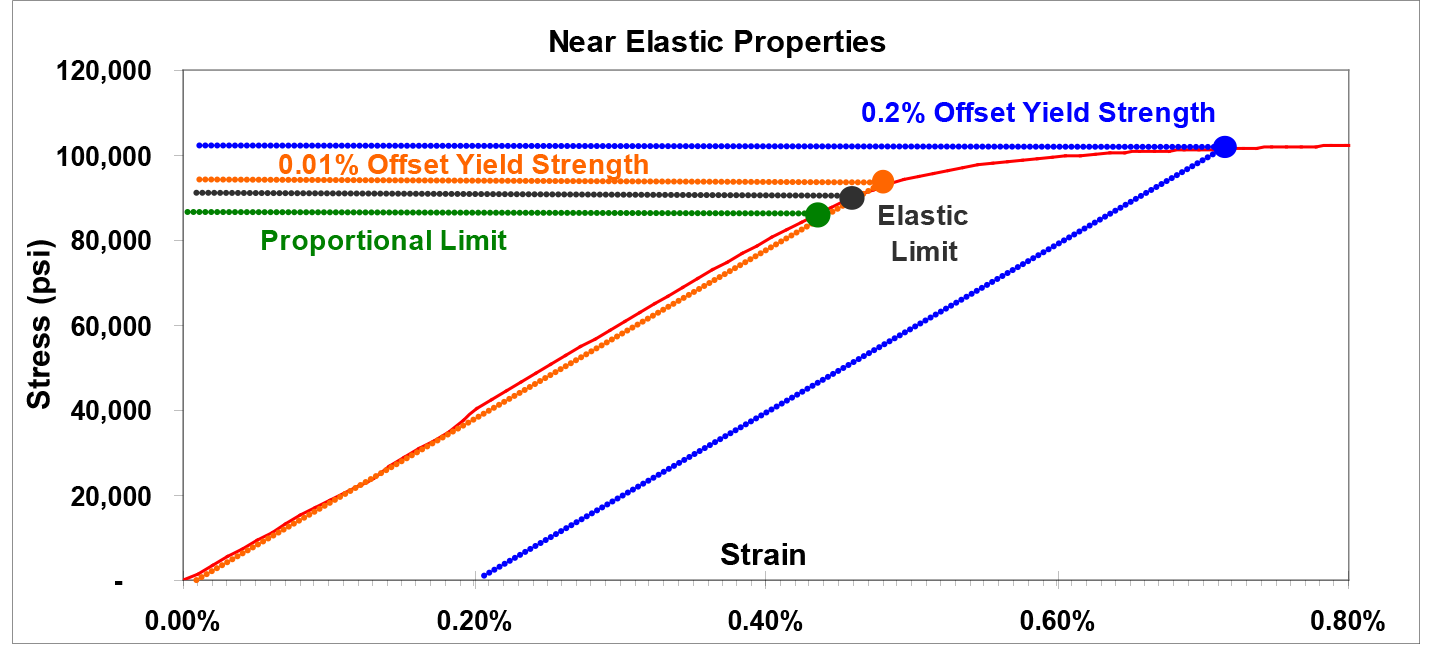
In the figure, the yield strength is represented by the point of intersection of the parallel line to the stress-strain curve. The proportional limit, elastic limit, and yield strength are defined differently; but their values are fairly close to each other in many cases.
The stress value, in pounds per square inch, is the yield strength. It is indicated in Figure 5 as Point 3. This method of plotting is done for the purpose of subtracting the elastic strain from the total strain, leaving the predetermined "permanent offset" as a remainder. When yield strength is reported, the amount of offset used in the determination should be stated.
The FoS is determined by dividing the yield strength by effective maximum applied stress of the cable. The calculation of yield is particularly important when testing metals. Yield in metals is typically calculated using the offset yield method, where a line is drawn parallel to the modulus and offset by a predetermined amount (the offset is expressed as a percentage and is determined by the ASTM or ISO standard being used).
For more information, click the button below.
Tags

Sonya
Impulsionado pelo compromisso com a educação no ambiente escolar, construí minha trajetória com o objetivo de ampliar as oportunidades de aprendizagem e gerar impactos positivos para estudantes, educadores e comunidades escolares. Ao articular princípios pedagógicos, experiência cotidiana em sala de aula e diálogo contínuo, desenvolvo práticas educacionais inovadoras, inclusivas e aplicáveis, que respeitam a diversidade dos modos de aprender e respondem às necessidades reais da escola - shop.forgiato.com.
